Opaline Budgerigar Care Guide: From Beginner to Expert
Opaline Budgerigar Care Guide. With their unique and captivating plumage, combined with a lively and intelligent nature, Opaline Budgerigars have become increasingly popular in the pet market in recent years. They are not only beautiful display birds but also companions that can form deep bonds with their owners. This guide will provide you with the most comprehensive and practical information, covering breed introduction, daily care, diet, and health, to help you successfully raise a healthy and happy Opaline Budgerigar.
Caring for any pet is a responsibility, and budgerigars are no exception. They can live for 5-10 years or even longer, meaning you will need to invest a considerable amount of time and effort into their care. However, when you see them happily hopping in their cage, hear their crisp chirps, or even learn a few simple words, you will find that it is all worthwhile. We hope this guide serves as a helpful companion on your journey with the Opaline Budgerigar, allowing you and your new friend to share many wonderful moments together.
1. Breed Introduction and History
The Opaline Budgerigar is not an independent subspecies but rather one of the many variations of the Budgerigar (Melopsittacus undulatus). Originating from the arid regions of inland Australia, budgerigars are one of the world's most popular pet birds. They are known for their small size, rich plumage colors, and lively personalities. The Opaline variation is distinguished by its unique color distribution and pattern, which differs from the standard budgerigar.
To understand the Opaline Budgerigar, one must first be familiar with the evolutionary history of the species. The original color of wild budgerigars is green, which served as excellent camouflage in the Australian grasslands. As early as the mid-19th century, budgerigars were introduced to Europe by colonialists and quickly became popular pets. With the development of selective breeding, breeders began to observe and selectively breed various color mutations that appeared, such as blue, yellow, and white. These variations are the result of genetic mutations, and the Opaline variation is one of them.
The Opaline gene is a sex-linked gene, meaning its inheritance is related to the bird's sex. The most notable characteristic of the Opaline Budgerigar is the significant reduction or complete disappearance of the wavy markings (barring) on the body feathers, particularly in the central areas of the back and wings. Instead, the feather color in these areas blends with the main body color, creating a more uniform block of color. For instance, a green Opaline Budgerigar will show reduced barring on its back and wings, displaying more green. The barring on the head and neck remains but may be lighter or softer in color. Additionally, the cheek patches of Opaline Budgerigars are often larger and rounder than those of standard budgerigars, and their color may also be more vibrant.
The emergence of the Opaline variation has greatly enriched the color diversity of budgerigars. Their plumage appears more "soft" or "lustrous," as if emitting a subtle glow like an opal, which is the origin of their name. This variation was first discovered and established in the early 20th century. Through the efforts of breeders, it has now become a highly popular member of the budgerigar family. Their distinctive appearance makes them stand out among other budgerigars.
Caring for an Opaline Budgerigar has the same basic requirements as caring for any other budgerigar. However, its unique genetic structure means that special attention to genetics is required for breeding to ensure the health of the offspring and the desired plumage. For the average owner, understanding its breed history and variation characteristics helps us better appreciate its beauty and uniqueness. They are not just the result of genetic mutation but also a work of art created through human interaction with nature and selective breeding. A lively and adorable Opaline Budgerigar can undoubtedly add color and joy to your life.
2. Appearance Characteristics
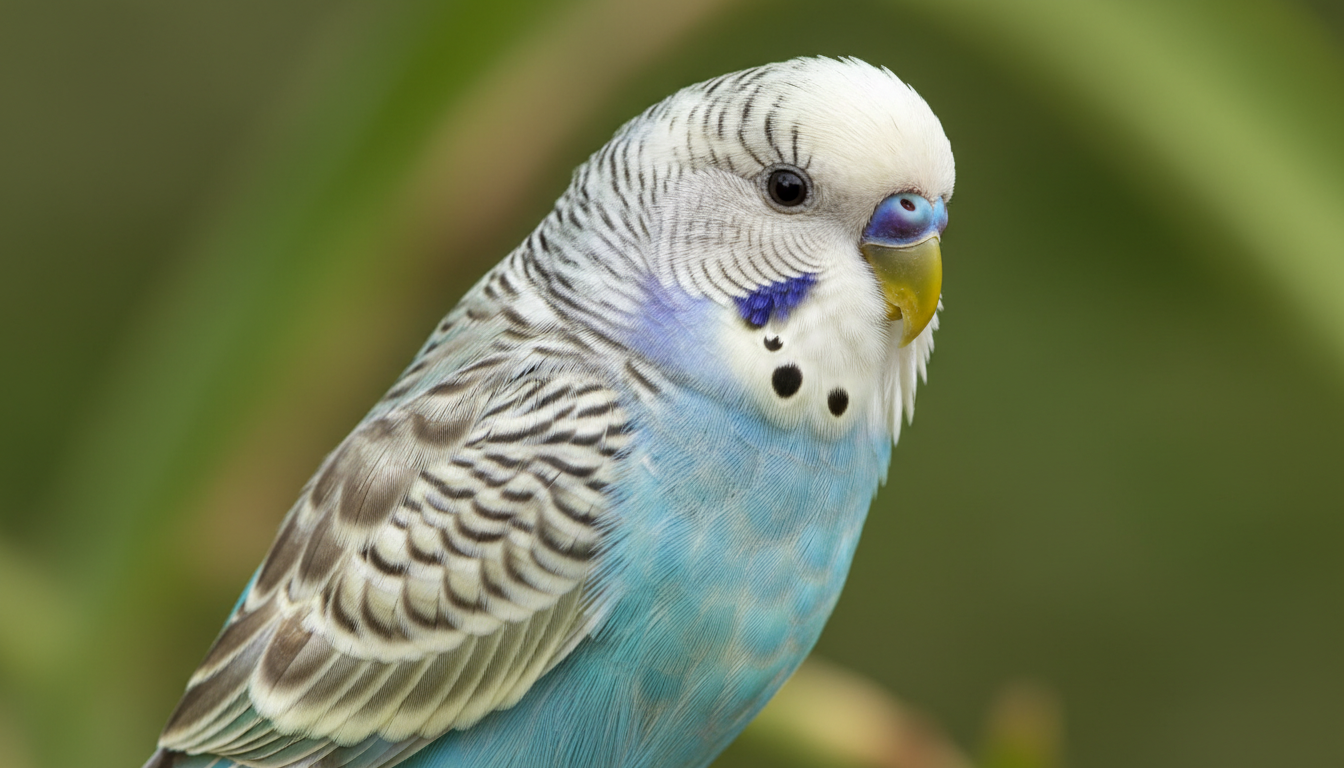
The appearance of the Opaline Budgerigar is its most attractive feature and the key distinction from the standard type. As the name suggests, their plumage exhibits a luster and softness similar to that of an opal. Understanding these characteristics helps you identify them when purchasing and appreciate their unique beauty.
First, the most prominent feature is the reduction or disappearance of the wavy markings (barring) on the back and wings. On standard budgerigars, clear black barring contrasts sharply with the base color on the back and wings. However, on Opaline Budgerigars, these markings are significantly lighter, and in the central area of the back, they are often entirely replaced by the body's base color. This makes their back appear more uniform, smooth, and naturally transitioned in color. For example, a blue Opaline Budgerigar will show a large area of blue on its back, rather than a pattern of blue intermingled with black barring.
Second, the barring on the head and neck usually remains, but its color may be lighter than the barring on a standard budgerigar, appearing as a soft gray or a color closer to the base body color. This pattern makes their head look more refined, contrasting with the smooth back and adding layers. Some Opaline Budgerigars may even have a cleaner, almost barring-free head color, which is considered a desirable trait.
Third, the cheek patches are usually larger, rounder, and more brightly colored. Standard budgerigars typically have violet or blue, oval-shaped cheek patches. Opaline Budgerigars tend to have larger, more circular patches, and the color may be more saturated, making their facial expression more prominent and appealing. These patches contrast with their overall soft plumage, increasing their visual appeal.
Fourth, the overall body tone appears softer and more uniform. Due to the reduction in barring, the body's base color is more fully displayed. Whether green, blue, yellow, or white, the body color of Opaline Budgerigars gives a "washed" or "diluted" impression, lacking the strong contrast of standard budgerigars. This soft tone is their unique charm.
Fifth, the color of the tail feathers may also differ. In many Opaline variations, the tail feathers are more coordinated with the main body color, rather than the typically deep blue or black seen in standard budgerigars. For example, green Opaline Budgerigars may have more green tones in their tail feathers, while blue ones might have more pale blue.
Finally, the Opaline gene can combine with other genetic mutations (such as Pied, Clearwing, Greywing, etc.) to produce a wider variety of plumage combinations. This results in numerous types of Opaline Budgerigars, each potentially having a unique color pairing. For instance, you might see Blue Opaline, Green Opaline, Yellow Opaline, White Opaline, or even "Opaline Pied" or "Opaline Clearwing" combined with other variations. These combinations further enhance their appearance, giving owners more choices.
When selecting an Opaline Budgerigar, in addition to appreciating their unique colors, you should observe their overall health, such as whether their feathers are clean and glossy, their eyes bright and alert, and their demeanor lively. A healthy Opaline Budgerigar should have smooth, close-fitting feathers without any signs of messiness or loss. Their beauty lies not only in their color but also in their healthy and vibrant vitality.
3. Temperament and Personality
The temperament of the Opaline Budgerigar is similar to that of general budgerigars; they are known for being lively, intelligent, curious, and highly social. These characteristics make them extremely popular pet birds, especially for owners who wish to establish an interactive relationship with their pet. Understanding their personality traits helps you better interact with them and provide an environment where they feel happy and secure.
First, being active and playful is a hallmark of budgerigars. They are naturally energetic and enjoy hopping, climbing, and playing in their cage. If you provide enough space and toys, they will spend a lot of time exploring and entertaining themselves. This lively personality also means they require daily out-of-cage time (under safe conditions) to stretch their wings and fly freely, which is crucial for their physical and mental health. Being confined to a small cage for long periods without activity can lead to frustration and behavioral issues.
Second, they are intelligent and curious. Budgerigars have learning abilities, particularly in vocal mimicry. Many budgerigars can learn to imitate human speech, saying simple words or phrases. While the speaking ability of Opaline Budgerigars varies individually, they are generally very curious about new things. They enjoy exploring their surroundings and show great interest in new toys or sounds. Owners can leverage their curiosity for training, such as teaching them simple commands or tricks.
Third, they are highly social. Budgerigars are flock animals in the wild and therefore greatly need companionship. If you only keep one budgerigar, you must become its "companion" and spend a significant amount of time interacting with it. Spending at least 1-2 hours daily talking, playing, and gently handling it is essential for building a deep relationship. If an owner cannot provide sufficient companionship, considering keeping two or more budgerigars is a better option, as they can keep each other company. However, multiple budgerigars require a larger cage and more cleaning work.
Fourth, they are gentle and easily tamed. Budgerigars are relatively docile birds, and with patient hand-rearing and training, they can become very fond of humans. Hand-reared chicks are more likely to build trust with humans and will be more willing to perch on the owner's finger or shoulder as they grow up. Even adult birds can be gradually tamed with enough patience and the correct methods. However, keep in mind that every bird's personality is unique; some may be naturally shyer and require more time to adjust and trust.
Fifth, they are frequent vocalizers. Budgerigars love to vocalize; they use various sounds to express their emotions, such as happy chirping, excited squawking, or even soft murmurs. For owners who prefer a quiet environment, this might take some getting used to. Their calls are usually not piercing but are frequent.
Finally, they love to chew. Budgerigars naturally explore the world with their beaks and need to keep their beaks trimmed. They will chew on toys, wood, and even the coating on their cage. Therefore, providing plenty of chew toys is a must; this not only satisfies their instinctual need but also prevents them from destroying other items. Natural, non-toxic wooden toys or mineral blocks are excellent choices.
In summary, Opaline Budgerigars are energetic, intelligent, and affectionate pets. They require owners to invest time and effort in companionship and care. By giving them enough attention, a suitable environment, and rich interaction, they will be loyal and happy little companions in your life.
4. Housing Requirements
Providing a safe, comfortable, and stimulating environment for your Opaline Budgerigar is the foundation of a healthy and happy life. How to create an ideal "home" for them requires careful planning and selection. A good housing environment includes not only the cage itself but also its placement, internal setup, and surrounding living space.
Cage Selection and Size
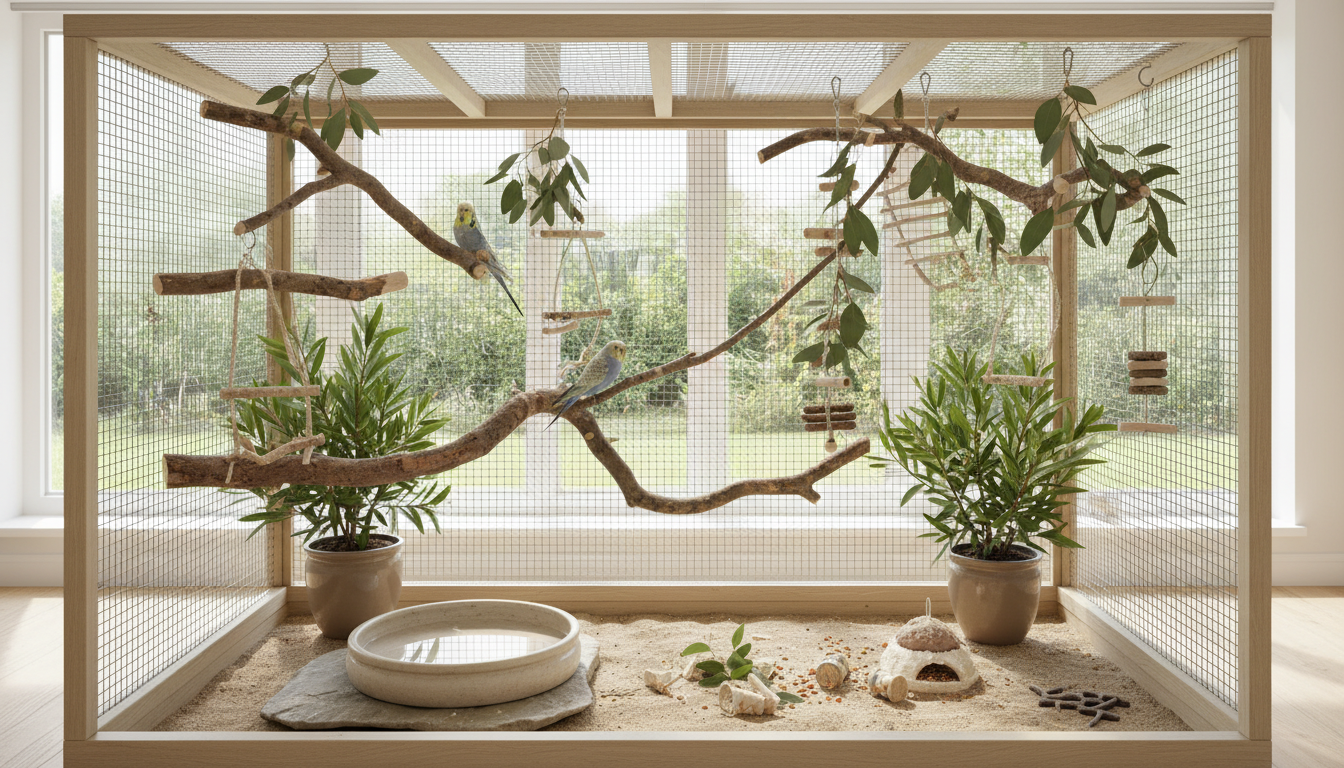
The cage is the most important living space for a budgerigar, and it should be as large as possible. Although budgerigars are small, they need enough space to fly, hop, and play. For a single budgerigar, the recommended minimum cage size is 60cm (L) x 40cm (W) x 40cm (H). If keeping two or more, a larger cage is required, such as 80cm x 50cm x 50cm or bigger. The larger the cage, the happier they are, and the fewer behavioral problems they exhibit.
Material: Choose a sturdy, non-toxic metal cage. Stainless steel is the best choice, followed by powder-coated cages. Avoid galvanized cages, as zinc poisoning is fatal to birds. Select a cage with bar spacing of about 1-1.2 cm to prevent their head or body from getting stuck.
Shape: Rectangular or square cages are preferred over round cages because they offer a better sense of space, make the birds feel secure, and are easier to set up with toys and perches. Round cages are often considered unsettling for birds as they lack corners to hide in.
Internal Cage Setup
Perches: Provide perches of different thicknesses, shapes, and materials, such as natural wood (applewood, pearwood, eucalyptus, etc., ensuring they are non-toxic). Avoid using only smooth plastic perches of the same size. Different diameters of perches help exercise their foot muscles and prevent bumblefoot. Place at least 2-3 perches, one near the food and water bowls, and one high up for resting.
Food and Water Bowls: Choose ceramic or stainless steel food and water bowls, as these materials are easy to clean and less prone to bacterial growth. Clean daily and replace with fresh food and water. Avoid open water bowls, as they are easily contaminated by droppings. It is recommended to use a water dispenser with a drinking spout, or at least a deeper bowl.
Toys: Budgerigars are intelligent and curious, needing various toys for mental stimulation. Provide chew toys (e.g., wooden toys, mineral blocks), exploratory toys (e.g., bells, balls), and puzzle toys. Rotate toys regularly to maintain novelty. Ensure all toys are bird-specific, non-toxic, and do not have small parts that can be swallowed.
Lining: Use newspaper, kitchen paper towels, or specialized bird litter for the cage bottom. Newspaper is the most economical choice; change it daily to maintain hygiene. Avoid using cat litter or other materials with absorption agents, as ingestion could lead to digestive problems.
Cage Placement
Height: Place the cage at human eye level so the birds feel safer and more engaged. Do not place it on the floor, as they will feel vulnerable, nor too high, which makes interaction difficult.
Environment: Place the cage in an area with stable temperature, good ventilation, but without strong drafts (direct air conditioning or fan). Avoid direct sunlight to prevent overheating. Keep away from kitchen fumes, cigarette smoke, household cleaners, air fresheners, and other harmful substances. These odors and chemicals are extremely sensitive to birds' respiratory systems.
Safety: Ensure there are no electrical wires, curtain cords, toxic plants, or other potential hazards around the cage. If allowing the bird out of the cage, ensure the room is "bird-proofed," with windows and doors closed, mirrors covered, and dangerous items removed.
Socialization: Place the cage in a high-traffic area of the home, such as the living room, so they can feel part of the family atmosphere and participate in daily life. However, also ensure they have quiet time for rest, especially at night.
In summary, creating a suitable housing environment for the Opaline Budgerigar requires careful planning and continuous maintenance by the owner. A well-set-up home will allow your budgerigar to live a healthier, happier life and strengthen your bond.
5. Daily Care
Daily care for the Opaline Budgerigar is essential for ensuring their health and longevity. This includes regular cleaning, appropriate bathing, necessary grooming, and attention to nails and beak. Even with limited time, these basic care routines must be adequately performed.
Daily Cleaning
Cage Cleaning: Change the newspaper or lining at the bottom of the cage daily, cleaning up droppings and food residue. Food and water bowls must be cleaned daily, and fresh food and water provided. This is the most basic and crucial step in disease prevention.
Deep Cleaning: Deep clean the entire cage at least once a week. Temporarily move the bird to a safe temporary cage or room. Use a bird-specific disinfectant (or diluted bleach, ensuring thorough rinsing and drying to avoid chemical residue) to clean the cage, perches, toys, and all accessories. Ensure all items are completely dry before returning them to the cage to prevent bacterial growth.
Environmental Cleaning: Regularly vacuum and clean the floor and walls around the cage, as feathers and dust scatter. Keep the indoor air fresh; avoid using air fresheners or diffusers, as these are harmful to the birds' respiratory system.
Bathing
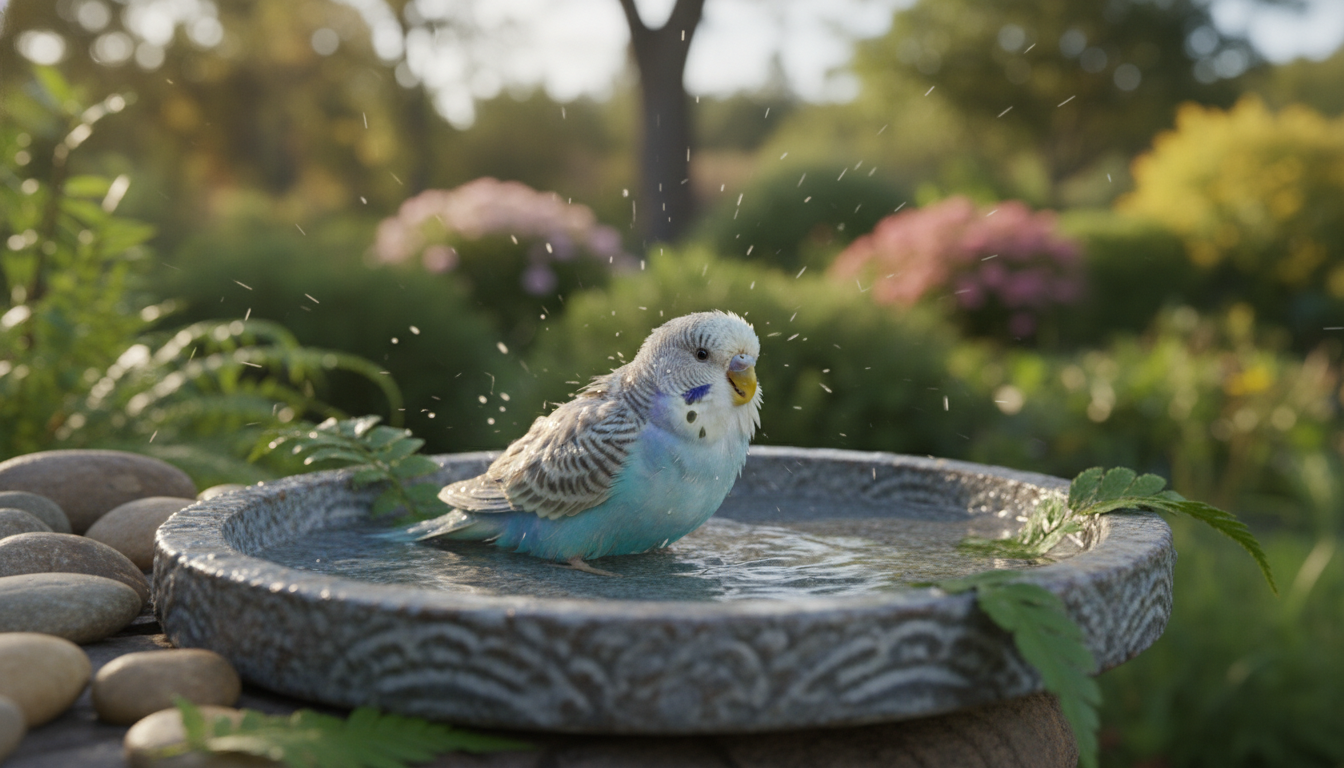
Bathing is crucial for the health of a budgerigar's feathers and skin. They use bathing to remove dust and parasites from their feathers and keep them smooth. There are several ways to provide bathing opportunities:
- Bird Bath: Purchase a specialized bird bath from a pet store, fill it with a small amount of clean, lukewarm water (about 2-3 cm deep). Place the bath in the cage and let the bird decide whether to bathe.
- Misting: Use a clean spray bottle with lukewarm water and gently mist the bird, simulating the feeling of rain. Be careful not to spray directly into their face. Some birds enjoy this method.
- Wet Greens: Offer some wet lettuce or watercress leaves; they might roll around on them, enjoying the bathing experience.
Bathing frequency can be adjusted based on the bird's preference and the season, typically 2-3 times a week. After bathing, ensure the bird air-dries naturally in a warm, draft-free environment to avoid catching a chill.
Grooming
Budgerigars usually preen themselves, keeping their feathers tidy. Their uropygial gland secretes oil used to maintain the water resistance and sheen of their feathers. Owners generally do not need to groom them unless they are sick or old and unable to do so themselves.
Molting: Budgerigars molt several times a year, shedding old feathers and growing new ones. During molting, the bird may seem slightly lethargic and have a reduced appetite. Provide sufficient nutrition, especially protein and vitamins, to support new feather growth. Molting is a normal physiological process, but if it lasts too long or feather loss is excessively severe, consult a vet.
Nail Care
Budgerigars' nails grow continually. If they become too long, they can affect their grip on perches or even cause injury. Check their nails regularly:
- Natural Wear: Provide natural perches of different materials and thicknesses (such as cement perches, natural branches) to help them naturally wear down their nails during daily activities.
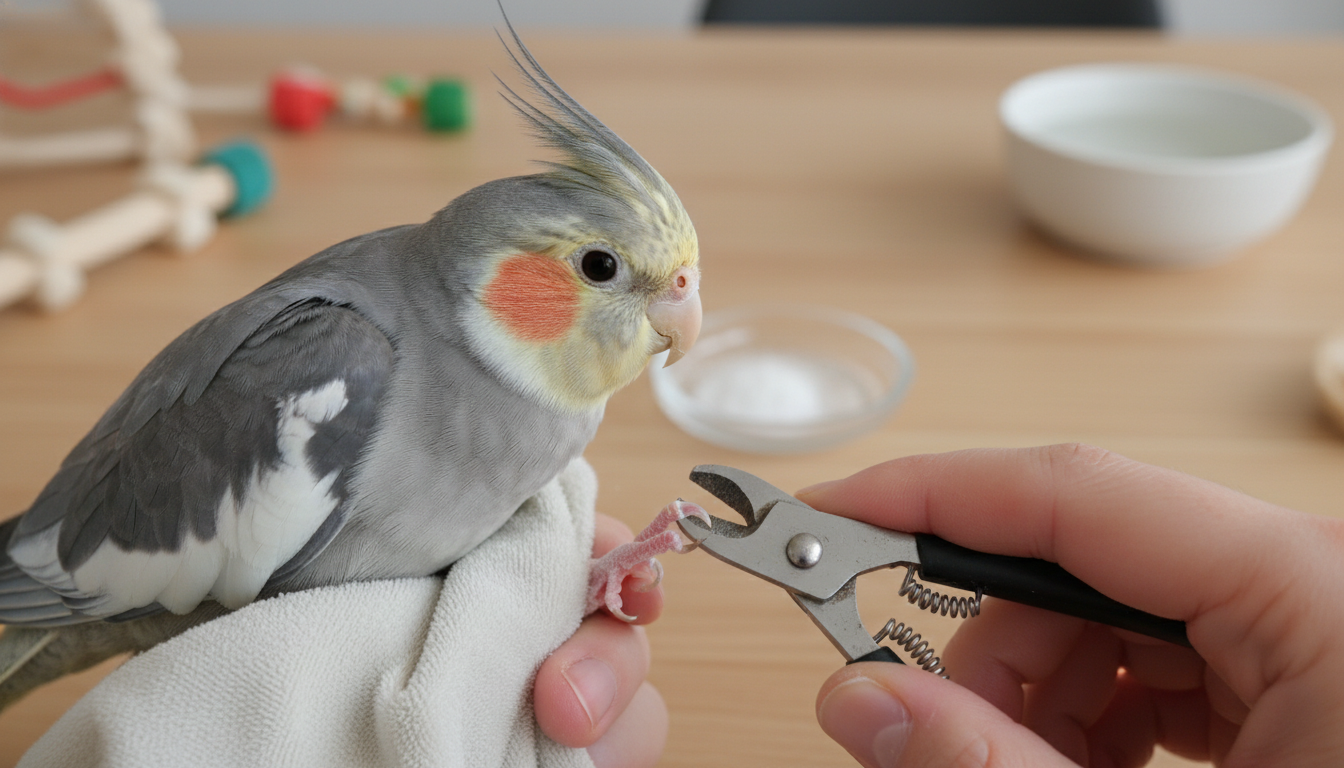
- Trimming: If the nails are too long with no signs of wear, they need trimming. This task is best performed by experienced individuals (pet store staff or a vet) or under professional guidance. Be extremely careful when trimming, as there are blood vessels (the "quick") inside the nail, and cutting it can cause bleeding and pain. If bleeding occurs, use styptic powder or cornstarch to stop it.
When trimming, gently hold the bird and use small bird-specific clippers to cut the transparent tip of the nail. If you cannot determine the location of the quick, it is better to cut less than to cut the quick.
Beak Care
A budgerigar's beak also grows continuously. Normally, they maintain the length of their beak by chewing on toys, mineral blocks, or abrasive perches. Providing mineral blocks or cuttlebone is essential; this not only supplements calcium but also allows them to grind their beak.
Overgrowth or Deformity: If the beak appears too long, deformed, or overlapping, it could be a sign of malnutrition, liver disease, or other health issues. In this case, consult a veterinarian immediately. The vet will use specialized tools to trim the beak and identify any underlying health problems.
Other Daily Observations
In addition to the care mentioned above, closely observing the bird's behavior and mental state daily is crucial:
- Droppings: Observe the color, shape, and consistency of the droppings. Healthy droppings are usually green or brown, coiled, and covered with white urates. Any abnormal changes (e.g., watery, unusual color, blood) can be a sign of illness.
- Appetite and Drinking: Notice any changes in their appetite or water intake. Loss of appetite or excessive/insufficient drinking can signal a health problem.
- Mental State: A healthy budgerigar is usually active, alert, with tidy feathers and bright eyes. If they are hunched over, feathers fluffed up, lethargic, dozing off, or closing their eyes for long periods, they may be sick.
- Breathing: Watch for difficulty breathing, open-mouth breathing, or unusual sounds.
In conclusion, the daily care of Opaline Budgerigars requires meticulous attention and patience. By providing a clean environment, proper bathing and grooming, and close health monitoring, you can help them live a healthy and happy life. In case of any abnormalities, consult a professional veterinarian promptly to ensure they receive the best possible care.
6. Diet and Nutrition
Providing a balanced and nutritious diet is the foundation for the health and vitality of the Opaline Budgerigar. Improper diet is a common cause of many avian diseases. Understanding the correct dietary structure and selecting the right products is paramount.
Core Diet: Quality Seed Mix and Pellets
Traditionally, a budgerigar's diet was primarily seed-based. However, a seed-only diet often lacks vitamins, minerals, and protein, leading to malnutrition and health issues such as obesity and liver disease. Therefore, it is recommended to combine seeds with pellets or use pellets as the main food source.
- Quality Seed Mix: Choose a seed mix specifically designed for budgerigars, containing various small seeds like millet, canary seed, and oats. Ensure the seeds are fresh, mold-free, and odorless. Some commercial brands add vitamins and minerals.
- Pellets: Pellets are scientifically formulated foods where all essential nutrients are compressed into uniform pieces. They provide a balanced mix of vitamins, minerals, protein, and fat, effectively compensating for the deficiencies of a seed-based diet. It is recommended to gradually introduce pellets into the bird's diet until they accept them.
The ideal diet structure is 50-70% pellets, 20-30% vegetables and a small amount of fruit, and 10% or less seeds as treats or rewards.
Fresh Vegetables and Fruits
Fresh vegetables and fruits are vital sources of vitamins, minerals, and dietary fiber. Providing a small variety of fresh produce daily is indispensable for maintaining the bird's health. Thoroughly wash and cut them into small pieces before feeding.
- Recommended Vegetables: Dark green vegetables such as broccoli, spinach (in moderation), kale, carrot tops, sweet peppers (all colors), carrots, squash, corn, green beans, etc.
- Recommended Fruits: Apple (without seeds), banana, orange, strawberries, blueberries, honeydew melon, kiwi, etc.
- Avoid: Avocado (toxic), chocolate (toxic), caffeine, alcohol, high-salt, high-sugar, or high-fat human foods. Onions, garlic, and mushrooms should also be avoided.
Supplements and Treats
- Cuttlebone: Provides calcium and an opportunity for beak grinding. Should be available in the cage at all times.
- Mineral Block: Provides various minerals.
- Grit: Traditionally thought to aid digestion, grit is not essential for birds primarily eating pellets or hulled seeds, and excessive intake can cause crop impaction. If provided, choose soluble grit and offer it sparingly.
- Treats: Occasionally, small amounts of specialized bird biscuits, honey sticks, or a little cooked egg/rice can be given as a reward, but not in excess.
Drinking Water
Clean Drinking Water: Provide fresh, clean drinking water daily. Filtered water or boiled and cooled tap water can be used. Avoid using untreated tap water. Water dispensers (with a spout) are more hygienic than open bowls, as they are less likely to be contaminated by droppings.
Feeding Techniques and Considerations
- Regular Feeding: Establish a routine for feeding, usually once in the morning and once in the evening. Do not let the food bowl remain empty for too long.
- Monitor Intake: Closely observe the bird's food consumption. A sudden drop in appetite can be a sign of illness.
- Food Freshness: Remove uneaten fresh vegetables and fruits after each feeding to prevent spoilage.
- Gradual Transition: If changing the bird's diet (e.g., from seeds to pellets), the transition must be gradual. Slowly increase the proportion of the new food while observing the bird's acceptance.
- Avoid Overfeeding: Budgerigars are prone to obesity, especially on a seed-heavy diet. Obesity leads to various health issues. Control portions and encourage activity.
In conclusion, providing a balanced diet is key to the health and longevity of the Opaline Budgerigar. Combining quality pellets, fresh produce, and appropriate supplements, along with clean drinking water, will ensure optimal nutritional support for your beloved bird.
7. Health and Disease Prevention
While Opaline Budgerigars are relatively hardy, like all pets, they can become ill. As an owner, it is crucial to understand common diseases, learn to observe early symptoms, and implement preventative measures. The principle of prevention over cure is particularly relevant.
Common Diseases
Here are some common diseases and health problems in budgerigars:
- Colds and Respiratory Infections: Symptoms include sneezing, runny nose, difficulty breathing, open-mouth breathing, and tail bobbing with respiration. Often caused by exposure to cold, dampness, or bacterial/viral infections.
- Digestive Issues: Including diarrhea, constipation, and crop infections. Symptoms are abnormal droppings (watery, green, bloody), loss of appetite, lethargy, and vomiting. May be caused by unclean food, bacteria, parasites, or stress.
- Skin and Feather Problems: Excessive feather loss (non-molting), messy feathers, red skin, itching, and excessive plucking. May be caused by parasites (like feather mites), malnutrition, stress, or underlying disease.
- Avian Pox: Caused by a virus, symptoms are nodules or ulcers on the skin, especially around the face, beak, and legs. Can affect the respiratory and digestive tracts in severe cases.
- PBFD (Psittacine Beak and Feather Disease): A highly contagious viral disease leading to feather deformities, loss, and beak/nail deformities. There is currently no cure, and the prognosis is poor.
- Internal Parasites: Such as roundworms and tapeworms, leading to weight loss, loss of appetite, and diarrhea.
- External Parasites: Such as feather mites and red mites, causing skin irritation, feather damage, and anemia.
- Lipomas and Tumors: Budgerigars are prone to lipomas due to improper diet (high fat). Other tumors can also occur.
- Foot Problems: Such as Bumblefoot (pododermatitis), often caused by inappropriate perches.
- Egg Binding: Female birds may have difficulty passing an egg, which is life-threatening.
Disease Prevention Measures
Prevention is better than cure. Here are some key preventative measures:
- Provide a Balanced Diet: As mentioned, primarily pellets, supplemented with fresh produce, and minimal seeds. Avoid high-fat, high-sugar human foods. Adequate calcium and Vitamin D are crucial for bone and egg health.
- Maintain Hygiene: Clean food and water bowls and cage liners daily; thoroughly clean and disinfect the cage and all accessories weekly. Keep indoor air circulating, avoiding dampness and fumes.
- Provide Clean Water: Change fresh, filtered, or boiled and cooled tap water daily. Using a water dispenser reduces contamination.
- Avoid Stress: Ensure the bird has quiet rest time, avoiding sudden loud noises, drastic environmental changes, or prolonged loneliness. Provide enough toys and interaction to keep them mentally stimulated.
- Control Temperature and Humidity: Avoid extreme temperature and humidity fluctuations. Maintain a stable indoor temperature, avoiding direct drafts.
- Quarantine New Birds: If introducing a new bird, enforce at least a 30-day quarantine period. During this time, observe the new bird's health and take them to a vet for a check-up to ensure they are not carrying diseases.
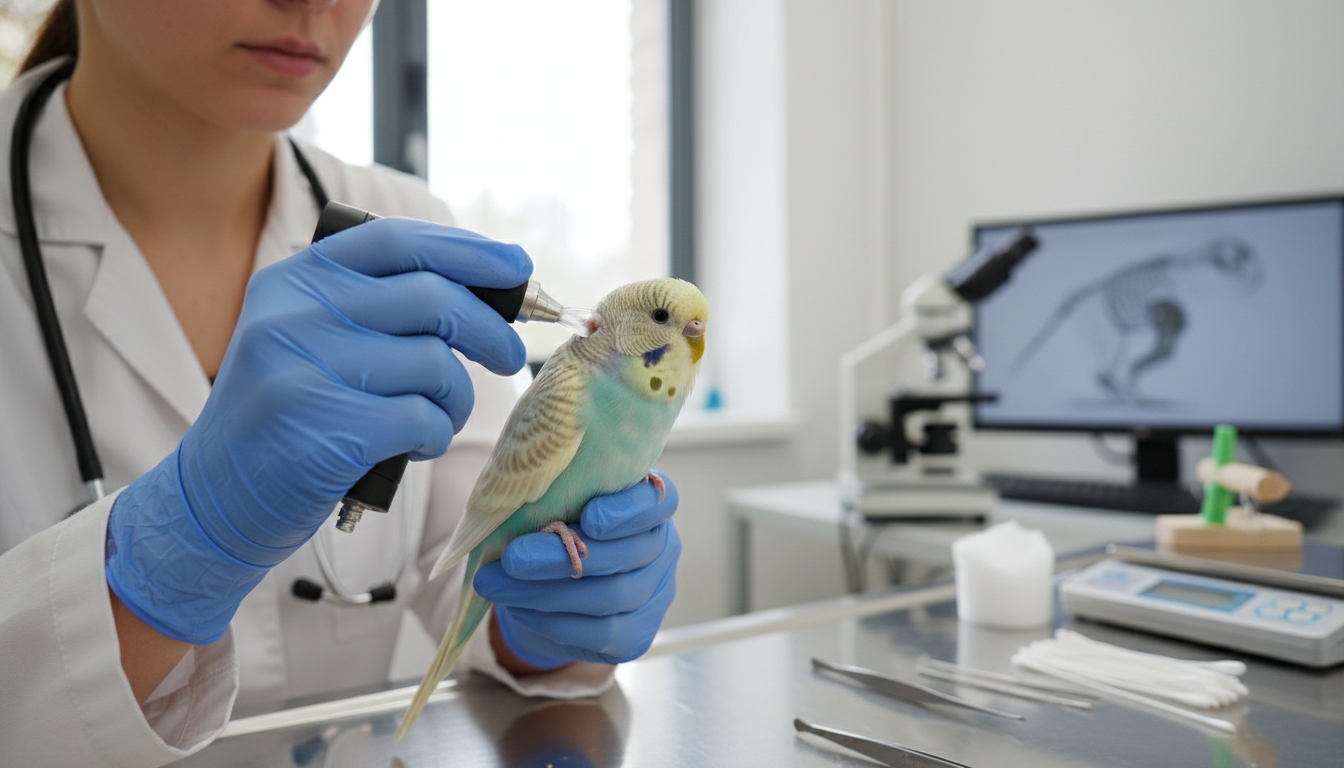
- Regular Health Checks: Take the bird to an avian veterinarian for a health check at least once a year. Even if the bird looks healthy, regular checks can detect potential issues early.
- Avoid Contact with Wild Birds: Try to prevent pet birds from contacting wild birds, which may carry diseases.
- Provide Sufficient Sunlight or UVB Light: UVB rays in sunlight help birds synthesize Vitamin D3, essential for calcium absorption. If sufficient natural sunlight is unavailable (be careful to avoid overheating), consider purchasing bird-specific UVB lamps.
Observe Early Symptoms: As an owner, you are the first line of defense for your bird's health. Spend time daily observing their behavior, appetite, water intake, droppings, and mental state. Any abnormality (e.g., fluffed feathers, lethargy, reduced appetite, abnormal droppings, difficulty breathing, limping, excessive scratching, or plucking) should raise an alarm. If you notice any abnormalities, consult an avian veterinarian immediately. Do not self-medicate, as birds have different physiology than mammals, and incorrect medication can have severe consequences.
It is advisable to research and note the contact information and addresses of a few reputable avian vet clinics in advance, in case of emergencies. Timely preparation ensures you can get the best treatment for your bird when needed.
Through meticulous daily care, a balanced diet, a safe environment, and regular vet check-ups, you can significantly reduce the risk of illness in your Opaline Budgerigar, ensuring they live a healthy and happy life.
8. Training Methods
Training the Opaline Budgerigar not only enhances their interaction, making them a more affectionate pet, but also provides necessary mental stimulation, preventing boredom and behavioral issues. Budgerigars are intelligent and eager to learn; with patience and the right methods, you can successfully train your bird.
Hand-Taming and Trust Building
The first step in training is building trust. Chicks that are hand-reared are usually easier to bond with. If you purchase an adult bird, it may require more time and patience.
- Gentle Contact: Start by gently placing your hand inside the cage, allowing the bird to get used to your presence. Do not force contact. Repeat this a few times a day, for a few minutes each time.
- Food Lure: Try placing their favorite treats (such as a small amount of millet spray or a pellet) in your palm. Remain still and let the bird approach to eat. This requires extreme patience and may take days or even weeks.
- Gentle Petting: Once the bird is comfortable eating from your hand, try gently petting its chest or head with your other finger. Observe its reaction; if it shows discomfort, stop immediately.
- Verbal Communication: Talk to the bird frequently, repeating its name and simple words in a gentle tone. They will get used to your voice and associate it with positive experiences.
Step-up Training
Step-up training is the fundamental skill of getting the bird to hop onto your finger from a perch or cage item, essential for daily interaction and safe out-of-cage time.
- Preparation: Ensure the bird is comfortable with your hand and willing to peck at it for food.
- Command: Place your index finger gently against the bird's chest and push slightly upward, simultaneously saying "Step up."
- Reward: When the bird successfully steps onto your finger, immediately give it a favorite treat and verbal praise.
- Repetition: Conduct short training sessions (5-10 minutes) daily, repeating the action multiple times. If the bird refuses, do